استراتيجيات الفهم القرائي للمرحلة الابتدائية

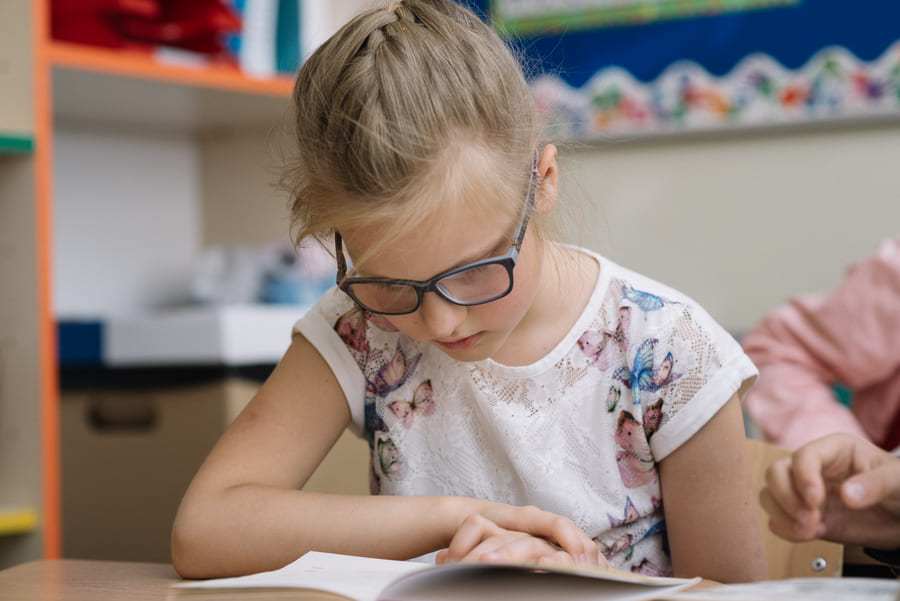
يعدّ الفهم القرائي أحد أهم المهارات الأساسية التي يجب على الطلاب إتقانها في المرحلة الابتدائية. فهو يمكّنهم من فهم المعلومات المُقدمة في النصوص المختلفة، وتحليلها، وتقييمها، واستخدامها في سياقات متنوعة. ومن أجل دعم هذه العملية المهمة، تستخدم مجموعة من استراتيجيات الفهم القرائي الموجهة نحو تطوير مهارات القراءة لدى الأطفال في المرحلة الابتدائية. كما أن فهم النصوص ليس مجرد عملية قراءة وفهم الكلمات، بل يتضمن أيضًا قدرة الفرد على استيعاب المعاني العميقة للنص، وفهم العلاقات بين الأفكار والمفاهيم المطروحة. ومن أجل تحقيق هذا الهدف، يحتاج الفرد إلى استخدام مجموعة متنوعة من الاستراتيجيات والمهارات التي تمكنه من تحليل النصوص وتفسيرها بدقة وبناء فهم شامل لمحتواها.
ستتناول هذه المقالة أهمية فهم النصوص واستيعابها، وسبل تحسين هذه المهارات، بالإضافة إلى تقديم بعض الاستراتيجيات الفعّالة التي يمكن للقراء اعتمادها لتطوير قدراتهم في هذا الجانب المهم من المهارات اللغوية والعقلية.
تعريف استراتيجيات الفهم القرائي
تعرف استراتيجيات الفهم القرائي على أنها مجموعة من الأساليب والتقنيات التي يستخدمها القارئ لفهم النصوص المكتوبة بشكل صحيح واستيعابها بشكل فعّال، واستيعاب محتواها بشكل كامل وشامل. وتشمل هذه الاستراتيجيات استخدام مجموعة متنوعة من المهارات مثل التنبؤ بالمعنى، والتمييز بين المعلومات الرئيسية والتفاصيل الثانوية، والتفكير النقدي.كما تهدف هذه الاستراتيجيات إلى تعزيز مهارات القراءة وتطوير الفهم القرائي لدى الأفراد عبر مجموعة متنوعة من الأنشطة والتدريبات التي تركز على تحليل النصوص، وفهم المفردات، وتوظيف المعارف السابقة، وتطوير التفكير النقدي.
تتضمن استراتيجيات الفهم القرائي مجموعة من الأساليب التي يمكن للقارئ استخدامها أثناء عملية القراءة، مثل استخدام السياق لفهم المفردات غير المألوفة، والتوقف والتفكير للتأمل في المعاني العميقة للنص، وتطبيق التنبؤات حول ما سيحدث في القصة، وتوظيف الرسوم التوضيحية أو الصور لمساعدة في فهم النص.
بشكل عام، تعتبر استراتيجيات الفهم القرائي أدوات هامة تعمل على تعزيز قدرات القراءة لدى الأفراد، سواء فيما يتعلق بالقراءة العادية أو القراءة الأكاديمية، وتسهم في تطوير مهاراتهم اللغوية والتفكيرية، وتعزيز فهمهم العميق للمحتوى النصي.
أهداف استراتيجيات الفهم القرائي
تتنوع أهداف استراتيجيات الفهم القرائي وتشمل مجموعة من النقاط التي تهدف إلى تحقيق فعالية القراءة وتطوير مهارات الفهم القرائي لدى الأفراد. ومن بين هذه الأهداف:
- تحسين مهارات القراءة: تهدف استراتيجيات الفهم القرائي إلى تعزيز قدرة الأفراد على قراءة النصوص بدقة وفهمها بشكل أفضل؛
- تطوير الفهم اللغوي: من خلال تطبيق استراتيجيات الفهم القرائي، يتم تعزيز فهم الأفراد للمفردات والتعابير اللغوية المستخدمة في النصوص؛
- تعزيز القدرة على التفكير النقدي: تساعد استراتيجيات الفهم القرائي في تطوير مهارات التفكير النقدي والتحليلي لدى القراء، مما يمكنهم من تقييم المعلومات بشكل أفضل واتخاذ قرارات مدروسة؛
- تعزيز الاستيعاب القرائي: تهدف هذه الاستراتيجيات إلى تعزيز قدرة الأفراد على استيعاب المعلومات المقروءة بشكل كامل وفعّال، مما يساهم في تحقيق فهم شامل للموضوعات؛
- تطوير مهارات التوقع والتنبؤ: تساعد استراتيجيات الفهم القرائي في تنمية مهارات التوقع والتنبؤ بما سيحدث في النصوص المقروءة، مما يساهم في تحسين قدرة القراء على التفاعل مع النص بشكل فعّال؛
- تعزيز الاستمتاع بالقراءة: يهدف استخدام استراتيجيات الفهم القرائي إلى تحفيز الأفراد على الاستمتاع بعملية القراءة وتحقيق رضا شخصي من خلال استكشاف مختلف الأفكار والمواضيع.
بشكل عام، تهدف استراتيجيات الفهم القرائي إلى تحسين مستوى القراءة والفهم لدى الأفراد، وتعزيز الثقة في قدرتهم على التفاعل مع النصوص المختلفة بشكل فعّال ومتميز. ونختصر هذه الأهداف فيما يلي:
- تطوير مهارات القراءة والفهم لدى الأطفال؛
- تعزيز القدرة على التفكير النقدي وتحليل النصوص؛
- تحسين القدرة على استيعاب المعلومات بشكل كامل وشامل؛
- دعم تطوير اللغة القرائية والثقافة العامة لدى الأطفال.
مستويات الفهم القرائي للمرحلة الابتدائية
يتم تقييم وتصنيف مستويات الفهم القرائي للأطفال في مرحلة الابتدائية استنادًا إلى قدرتهم على فهم واستيعاب النصوص المكتوبة. كما تتنوع هذه المستويات بناءً على تطور الطفل ونضوجه اللغوي والمعرفي. وتُعتبر هذه المستويات جزءًا من المناهج الدراسية التي تهدف إلى تحسين مهارات القراءة والفهم لدى الطلاب. وفيما يلي لمحة عن المستويات الرئيسية للفهم القرائي في هذه المرحلة:
- الفهم الأساسي: يتمثل في فهم المعاني الحرفية للكلمات والجمل البسيطة. ويتضمن:
- فهم المعاني الحرفية للكلمات والجمل البسيطة؛
- القدرة على استنتاج المعاني المباشرة من النصوص القصيرة؛
- الاستجابة لأسئلة بسيطة حول النصوص المقروءة.
- الفهم المتوسط: أي فهم الأفكار الرئيسية في النصوص القصيرة والقصص البسيطة. ويتضمن:
- فهم الأفكار الرئيسية في النصوص القصيرة والقصص البسيطة؛
- القدرة على استخدام السياق لفهم المفردات غير المألوفة؛
- القدرة على توجيه الأسئلة البسيطة حول النصوص والأحداث فيها.
- الفهم العميق: يتعلق بالقدرة على استنتاج المعاني الكامنة والتفاصيل الدقيقة في النصوص الأكثر تعقيداً. ويتضمن:
- القدرة على استنتاج المعاني الكامنة والتفاصيل الدقيقة في النصوص؛
- القدرة على تحليل الشخصيات والأحداث والمشاعر في القصص؛
- القدرة على تطبيق الأفكار والتعليمات المتعلقة بالنصوص في سياقات جديدة.
تعتبر هذه المستويات مرجعًا عامًا، وقد يختلف تقييم الفهم القرائي للأطفال من شخص لآخر بناءً على خلفيتهم الثقافية والتعليمية والاجتماعية، ويجب توخي الحذر في تقييم مستوى كل طفل بشكل فردي وتقديم الدعم والتوجيه المناسب لتطوير مهاراتهم القرائية بناءً على احتياجاتهم الفردية.

استراتيجيات الفهم القرائي للمرحلة الابتدائية
تعتبر استراتيجيات الفهم القرائي للمرحلة الابتدائية أدوات هامة لتعزيز مهارات القراءة وتطوير الفهم القرائي لدى الأطفال في هذه المرحلة الحيوية من التعليم. وفيما يلي بعض الاستراتيجيات المفيدة:
- استخدام الصور والرسوم: تشجيع الأطفال على الاعتماد على الصور والرسوم المصاحبة للنصوص لفهم المحتوى بشكل أفضل وتعزيز الصلة بين النص المكتوب والمعنى المرئي؛
- التوقف والتفكير: تشجيع الأطفال على توقف القراءة بين الحين والآخر للتأمل في معاني الجمل والكلمات وتطبيق استراتيجيات الاستيعاب القرائي؛
- استخدام التوقعات: تشجيع الأطفال على وضع توقعاتهم حول ما سيحدث في القصة أو النص قبل قراءته، مما يساعدهم على تنشيط مهارات الاستيعاب القرائي والتوقعات اللغوية؛
- توجيه الأسئلة: توجيه الأطفال لوضع أسئلة بسيطة حول النصوص التي يقرؤونها، مما يساعدهم على التركيز والاستيعاب الفعّال؛
- القراءة بصوت مرتفع: تشجيع الأطفال على قراءة النصوص بصوت مرتفع، حيث يمكن لهم تحسين فهمهم للكلمات والجمل وتعزيز مهارات الاستيعاب القرائي؛
- تحليل الشخصيات والأحداث: تشجيع الأطفال على تحليل شخصيات القصص والأحداث المتكررة، مما يساعدهم على فهم السياق الأوسع للنصوص والتفاعل معها بشكل أكبر؛
- استخدام التكرار والممارسة: تكرار قراءة النصوص وممارستها باستمرار يساهم في تعزيز مهارات القراءة والفهم لدى الأطفال؛
- التحفيز والمكافأة: تحفيز الأطفال وتقديم المكافآت عند تحقيق تقدم في مهارات القراءة والفهم، مما يشجعهم على المزيد من الممارسة والتطوير.
باستخدام هذه الاستراتيجيات بشكل منتظم ومتواصل، يمكن تعزيز مهارات القراءة والفهم لدى الأطفال في مرحلة الابتدائية وتحسين أدائهم القرائي بشكل عام.
استراتيجيات الاستيعاب القرائي
تهدف استراتيجيات الاستيعاب القرائي إلى مساعدة القرّاء على فهم النصوص بشكل أفضل واستيعابها بشكل أكثر فعالية. إليك بعض الاستراتيجيات الشائعة لتحسين استيعاب النصوص:
- تنظيم المعلومات: تنظيم المعلومات المتوفرة في النص بشكل منطقي، مثل استخدام الخرائط الذهنية أو تحديد الأفكار الرئيسية والتفاصيل الداعمة؛
- المعرفة المسبقة: استخدام المعرفة المسبقة أو المعلومات السابقة حول الموضوع لفهم النص بشكل أفضل، مما يساعد على تبسيط الفهم وتحليل المعلومات بشكل أعمق؛
- القراءة التوجيهية: توجيه القرّاء للتركيز على جوانب محددة من النص، مثل تحديد الأفكار الرئيسية أو البحث عن المعلومات الهامة؛
- استخدام السياق: استخدام السياق الذي يحيط بالنص، مثل الجمل السابقة أو اللاحقة، لتوضيح المعاني والعلاقات بين الجمل؛
- الملخصات والتوجيهات: إعطاء ملخصات بعد فقرات محددة أو تقديم توجيهات لمساعدة القارئ في استيعاب الفكرة الرئيسية؛
- التساؤل والتحليل: طرح الأسئلة حول النص وتحليلها لتحفيز التفكير النقدي وتعزيز الفهم العميق؛
- التنبؤ والاستدلال: توقع ما سيحدث في النص استنادًا إلى المعلومات المتاحة واستخدام الاستدلال المنطقي لفهم العلاقات بين الأفكار؛
- المراجعة والملخص: مراجعة المعلومات بشكل دوري وتلخيصها للتأكد من الفهم الصحيح والمتماسك.
استراتيجيات لفهم واستيعاب النصوص عند القراءة
يعتبر فهم واستيعاب النصوص أثناء القراءة مهارتين أساسيتين لتحقيق النجاح في الدراسة والحياة اليومية. وفيما يلي بعض الاستراتيجيات التي يمكن استخدامها لفهم واستيعاب النصوص عند القراءة:
- قبل القراءة:
- قم بتصور الموضوع المتوقع للنص وتوقع المحتوى الذي ستقابله؛
- قم بتفعيل المعرفة المسبقة حول الموضوع، وتذكر الخبرات والمعلومات التي قد تكون لها صلة بالموضوع.
- أثناء القراءة:
- ضع علامات أو قم بتحديد الكلمات أو الجمل المهمة أثناء القراءة؛
- حاول فهم العلاقات بين الأفكار والتفاصيل وتحديد الأفكار الرئيسية والدعائم؛
- استخدم التنبؤات والاستدلالات لتوقع ما سيحدث في النص لتنشيط الاستيعاب القرائي.
- بعد القراءة:
- قم بمراجعة النص وملخصه بشكل موجز للتأكد من فهمك الصحيح للمحتوى؛
- قم بوضع أسئلة تفكيرية حول النص لاختبار فهمك وتحليلك للمعلومات؛
- قم بمناقشة النص مع الآخرين لتبادل الآراء والأفكار وتوسيع فهمك للموضوع.
- المراجعة والتقييم:
- قم بالتحقق من فهمك للنص وتحليلك للمحتوى وتقييم استيعابك له؛
- ابحث عن موارد إضافية لتعميق فهمك للموضوع إذا لزم الأمر.
- الممارسة المنتظمة:
- قم بممارسة القراءة بانتظام لتطوير مهاراتك في فهم واستيعاب النصوص؛
- اختر النصوص التي تهمك وتتوافق مع مستوى معرفتك واهتماماتك لتحفيز القراءة والاستمتاع بها.
باستخدام هذه الاستراتيجيات بشكل منتظم ومتكرر، ستلاحظ تحسنًا ملحوظًا في فهمك واستيعابك للنصوص، مما سيساعدك في تحقيق النجاح في الدراسة.